
Best Cycling Jerseys UK 2026 | Expert Guide & Reviews
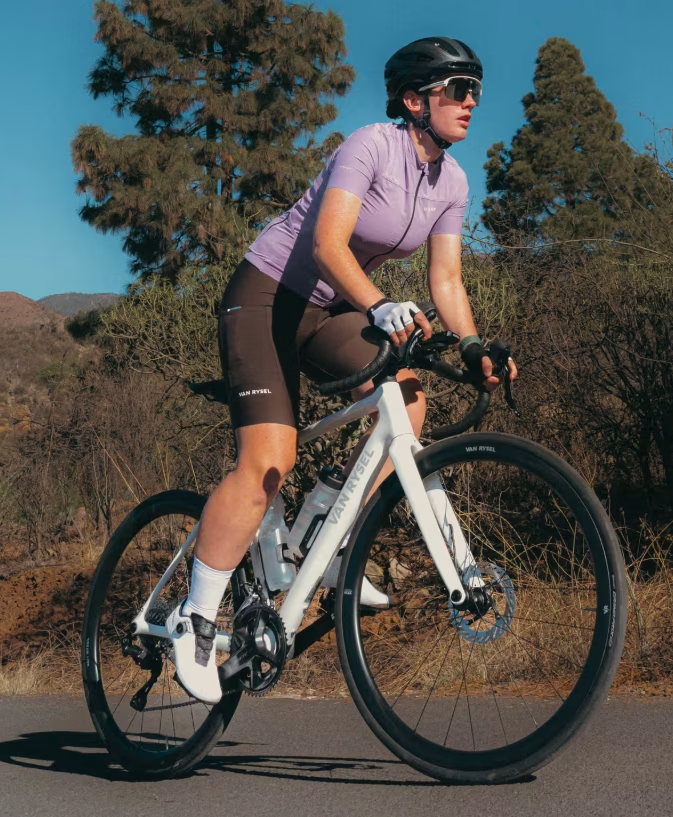
Hot. Cold. Soaked in sweat. Freezing mid-ride. After 30 years fixing bikes in Bournemouth, we’ve heard every comfort complaint about cycling kit. The solution isn’t the most expensive bike — it’s the right cycling jersey. They’re the difference between suffering and enjoying every ride.
Whether you’re hammering out summer training miles on British backroads, commuting through Dorset’s unpredictable weather, or tackling long sportives, your cycling jersey makes a massive difference to comfort and performance. The right jersey wicks moisture, regulates temperature, provides storage, and keeps you visible. Based on thousands of conversations with UK cyclists and seeing what actually works, these are the cycling jerseys that deliver. These are the best cycling jerseys UK riders are actually wearing right now
Our Top Picks — Best Cycling Jerseys UK 2026
- Best Overall: Endura Pro SL Jersey — Scottish quality, proven performance (£50-70)
- Best Value: Decathlon Van Rysel — Premium feel, budget price (£25-40)
- Best Summer: DeFeet Aireator — Ultra-lightweight breathability (£35-45)
- Best Budget: Galibier Regale — Incredible value performance (£28-35)
Table Of Contents
Why Your Cycling Jersey Matters
- Temperature regulation — Keeps you cool in summer, comfortable in spring/autumn
- Moisture management — Wicks sweat away from skin, prevents chafing
- Aerodynamics — Close fit reduces drag compared to baggy clothing
- Storage pockets — Rear pockets for food, tools, phone without backpack
- Visibility — Bright colours and reflective details keep you seen
The reality: A £30 cycling jersey outperforms a £5 sports shirt completely. Proper cycling jerseys pay for themselves in comfort within a single long ride. The difference between cotton t-shirts and technical fabrics is night and day.
UNDER £30
Budget Champions
– Decathlon basics
– Multi-pack deals
– Entry-level brands
– Trial purchases
£30 – £60
Best Value Zone
– Galibier, dhb
– Endura basics
– Excellent performance
– Where most should buy
£60 – £100
Premium Quality
– Endura Pro range
– Castelli, Gore
– Advanced fabrics
– Long-lasting quality
£100+
Race Day Gear
– Rapha, Assos
– Pro team quality
– Aero optimized
– Ultimate performance
Best Cycling Jerseys UK 2026 – Our Overall Picks
These jerseys deliver exceptional all-round performance for UK cycling. They work across multiple seasons, handle British weather unpredictability, and offer the best combination of quality, features and value. Perfect for riders who want one excellent jersey that does everything well.
Endura Pro SL Jersey II
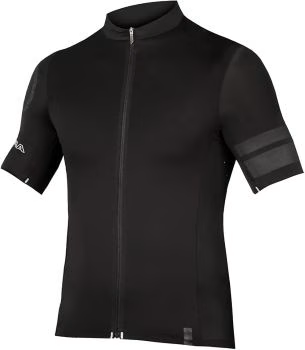
Best Overall Jersey
Scottish engineering that understands UK weather. Lightweight construction with mesh zones for ventilation, seamless toe. 18cm cuff height. Merino/synthetic blend balances comfort and durability. Three rear pockets plus zip valuables pocket. Excellent moisture wicking for British conditions. Cycling Weekly praised it as “perfectly judged for UK riding.”
Price: £50 – £70
Castelli Espresso Jersey
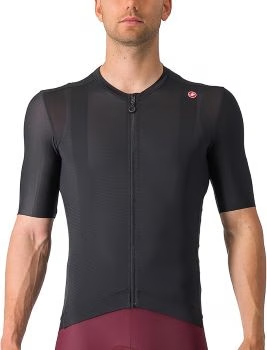
Best Premium Jersey
Italian quality that justifies the price. Air_O Stretch fabric offers fantastic breathability and moisture wicking. Snug fit without feeling tight, raw-cut sleeves prevent irritation. YKK Vislon zippers, deep pockets, zip valuables pocket. Cyclist magazine called it “near perfect.” Available in huge range of colours.
Price: £90 – £125
Best Summer Cycling Jerseys UK 2026
Summer cycling jerseys need maximum breathability, lightweight construction, and fast-drying fabrics. You don’t want winter thickness when it’s 25°C outside. These are the jerseys that keep you cool and comfortable on hot British summer days, designed for temperatures from 18°C to 30°C+. All feature UPF sun protection for long days in the saddle.
Gore C3 Jersey
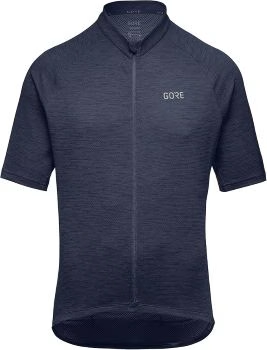
Best Summer Performance
German engineering for hot weather riding. Ultra-lightweight mesh construction with strategically placed ventilation zones. Full-length zipper with anti-snag design. Three rear pockets plus zip security pocket. UPF 40+ sun protection. Reflective details for visibility. Road.cc praised the “exceptional breathability” for UK summer conditions. Available in multiple colours.
Price: £45-65
Decathlon Van Rysel RCR Jersey
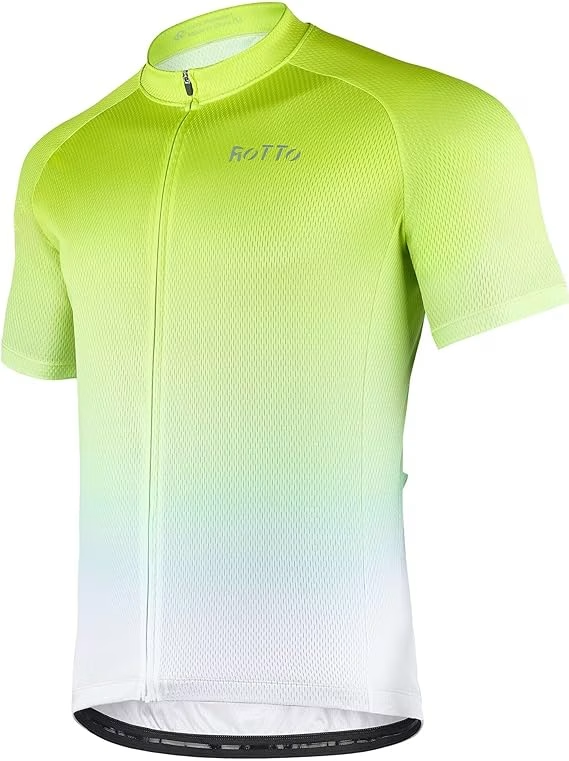
Budget Summer Champion
These men’s short sleeve cycling jerseys are made of high quality fabric which feel soft to touch. Regular fit, Tag less design, Good UV protection. Ideal for general cycling cyclists or as training wear for semi-professional cyclists.
Price: £20-£25
Best Long-Sleeve Cycling Jerseys UK 2026
Long-sleeve jerseys are essential for UK spring and autumn riding when temperatures fluctuate between 8°C and 18°C. They provide warmth without overheating, protect arms from sun and wind, and layer perfectly under gilets or jackets. These are the long-sleeve jerseys that UK cyclists actually wear for shoulder-season riding.
Castelli Perfetto RoS Long Sleeve
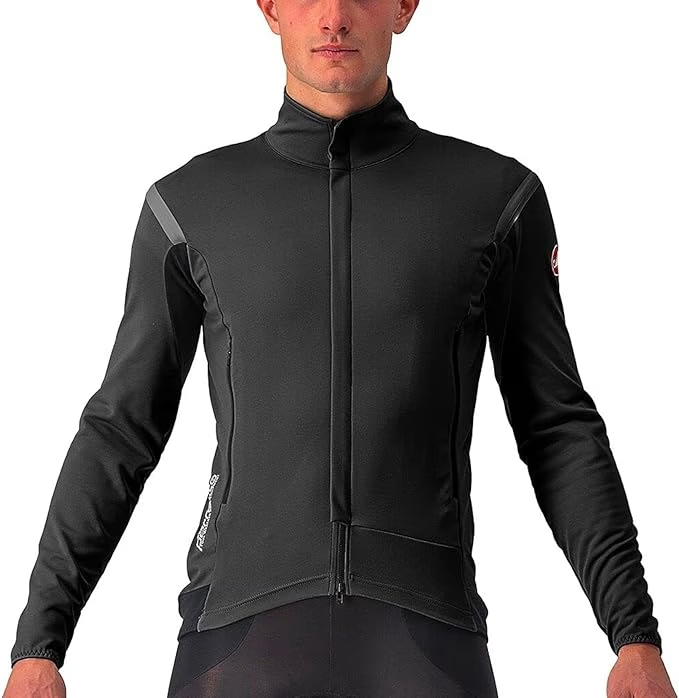
Best Spring/Autumn Jersey
The legendary Gabba’s successor. Gore-Tex Infinium Windstopper fabric keeps wind out, warmth in, water resistance handles British drizzle. Breathable enough to prevent overheating. Two rear pockets for essentials-only riding. Cycling Weekly calls it “the benchmark” for changeable conditions. Perfect for 8-15°C rides.
Price: £140-180
Endura BaaBaa Merino Jersey LS
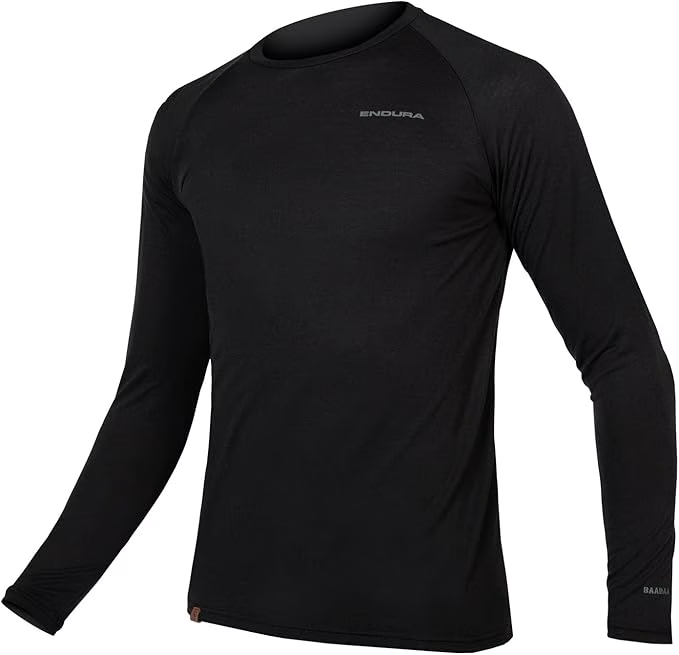
Best Merino Long-Sleeve
Scottish merino expertise. Blend of merino wool and synthetic fibres balances temperature regulation with durability. Naturally antibacterial means less washing needed. Soft against skin, works across wide temperature range. Three rear pockets plus zip pocket. Ideal for commuting and all-day comfort rides. Excellent value at this price point.
Price: £50-70
Best Budget Cycling Jerseys UK Under £40
Not everyone wants to spend £70+ on cycling jerseys. These budget options deliver genuine cycling performance at prices that won’t make your wallet wince. Perfect for beginners, casual riders, building up a rotation of training jerseys, or anyone who wants backup pairs without spending a fortune. All perform far better than generic sports shirts.
Decathlon RC100 Short Sleeve Jersey
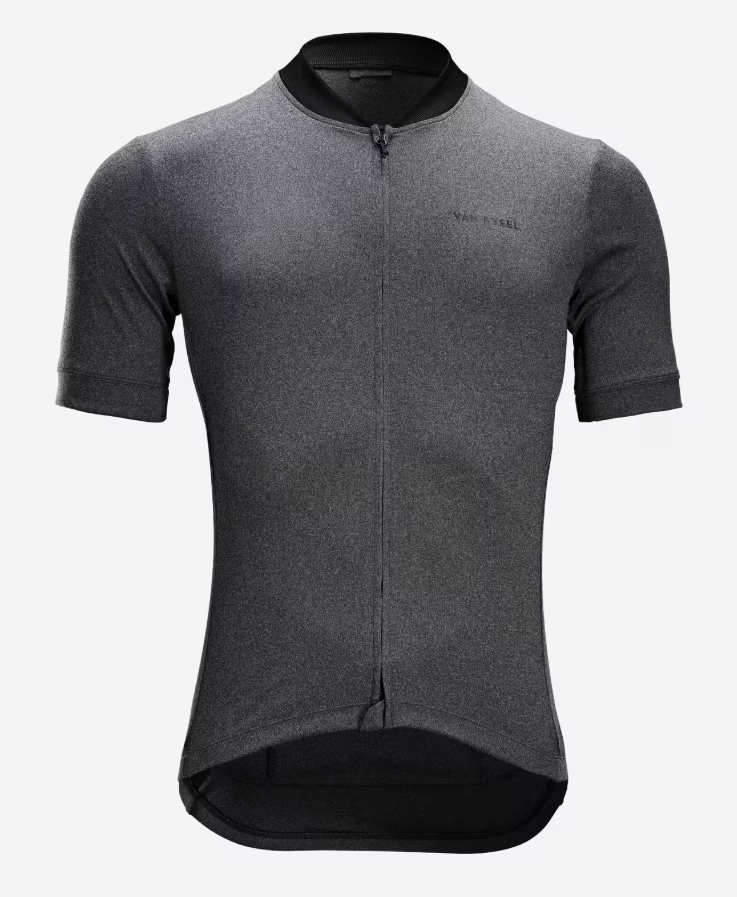
Best Entry-Level Jersey
Decathlon basics done brilliantly. Polyester construction wicks sweat effectively, full-length zip, three rear pockets. Not as refined as premium jerseys but performs the essential functions perfectly. Ideal first cycling jersey or backup training kit. Available in multiple colours. Amazon reviewers praise “excellent value” and “comfortable fit.”
Price: £15-25
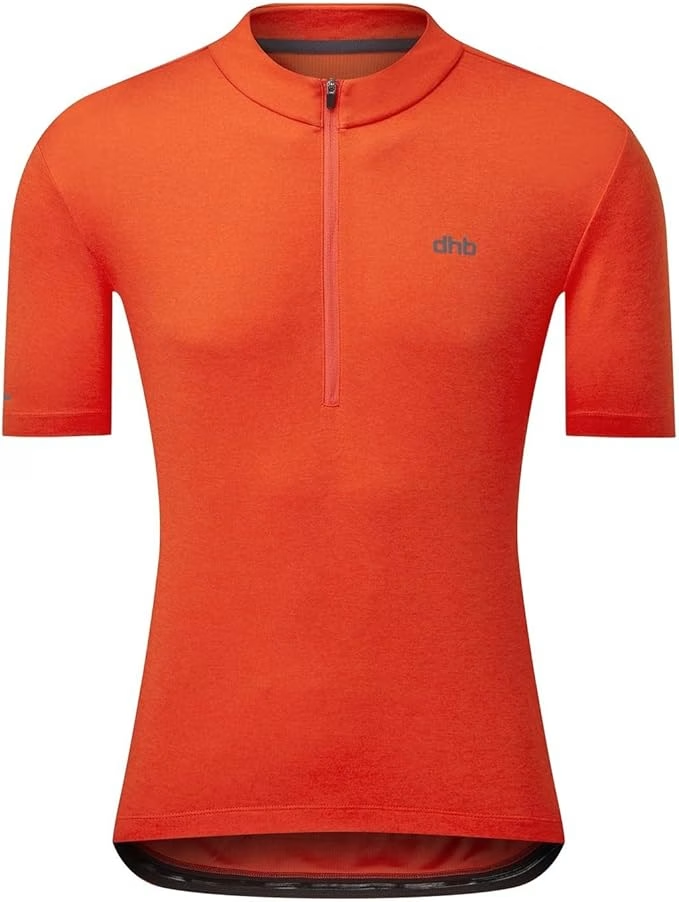
dhb Classic Short Sleeve Jersey
Best UK Budget Brand
Wiggle’s in-house brand delivers remarkable quality. Quick-drying polyester fabric, elastic silicone gripper at hem, three rear pockets plus zip security pocket. Clean design, excellent fit for the price. Popular with UK club cyclists as everyday training jerseys. Road.cc noted “punches above its weight” for performance at this price point.
Price: £25-35
Best Women’s Cycling Jerseys UK 2026
Women’s specific cycling jerseys feature different cut and fit compared to men’s or unisex jerseys. Shorter torso length, shaped waist, longer arms relative to body, and bust accommodation make a significant difference to comfort. These are the women’s jerseys that UK female cyclists actually rate for fit, performance and value. All designed by women, for women.
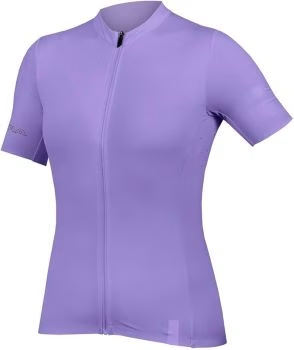
Endura Women’s Pro SL Jersey
Best Women’s Jersey Overall
Scottish quality tailored specifically for women. Lightweight construction, mesh ventilation zones, excellent moisture management. Shaped fit accommodates bust without excess fabric. Three rear pockets sit properly on women’s shorter torso. Silicon gripper prevents ride-up. Cycling Weekly praised the “well-judged cut” and performance. Multiple colour options.
Price: £50-68
Van Rysel RCR Women’s Jersey
Best Value Women’s Jersey
Decathlon’s women’s specific design at budget-friendly price. Slim-fitting for hot summer days, mesh panel runs full length of underarm and body. Many pockets including chest pocket for valuables. Lightweight material wicks sweat well, striped mesh isn’t see-through. Road.cc gave it high marks for “great fit” and “excellent ventilation.” Superb value.
Price: £28-40
Reality Check on Budget Jerseys: £35 jersey lasting 3 years = £11.67 per year. £15 cheap jersey wearing out in 6 months = £30 per year. Mid-range jerseys (£30-50) are the sweet spot for durability, comfort and value combined.
Women’s Jersey Fit Tips: Don’t size down for “race fit” — proper women’s jerseys fit correctly at true size • Check shoulder and sleeve fit (not just chest) • Pockets should sit on lower back, not mid-back • Hem should cover waistband comfortably when riding
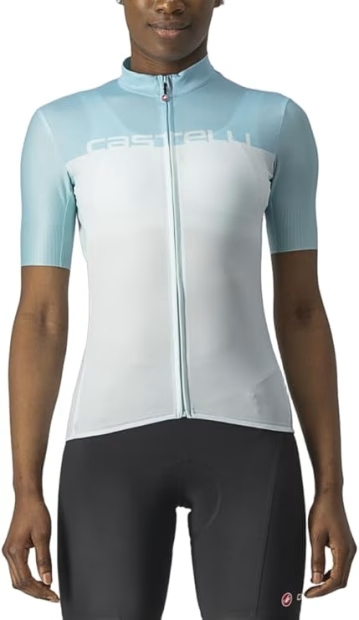
Castelli Velocissima IV Jersey
Best Women’s Racing Jersey
Castelli’s WorldTour women’s racing jersey. KISS Air mesh delivers extraordinary breathability without sacrificing aero profile. Women-specific cut: shorter front panel, longer rear, raw-cut cuffs, YKK Vislon zip. Deep pockets sit correctly on women’s shorter torso. Italian craftsmanship — the jersey worn by pro women’s teams.
Price: £95–£130
Rapha Women’s Core Jersey
Best Women's Everyday Jersey
Rapha's entry-level women's jersey, priced to compete with mid-range rivals. Moisture-wicking polyester, full-length YKK zip, three rear pockets with a zipped valuables pocket, reflective details for year-round visibility. Slightly relaxed club cut works for sportives and long training rides. Strong range of colourways. Rapha quality control throughout.
Price: £75–£95
Sportful Monocrom W Jersey
Best Women's Value Pick
Sportful's women's Monocrom with DWR (Durable Water Repellent) treatment — handles light UK rain without reaching for a jacket. Women-specific cut with shorter front drop length and correct shoulder seam placement. Pockets sit properly when riding. Italian fabric built to last. Outstanding value at this price point.
Price: £65–£85
Cycling Jersey Fit Guide: Race vs Club vs Relaxed
Cycling jerseys come in different fit categories. Getting the right fit matters more than brand or price. Here's how UK jersey fits actually work.
Race Fit (Aero/Performance Fit)
When to choose: Competitive riding, sportives, club runs where speed matters
Characteristics:
- Very close to body when in riding position
- Minimal excess fabric to reduce drag
- Longer back, shorter front (designed for bent-over position)
- Sleeves finish mid-bicep
- Can feel tight when standing upright
Who should avoid: Casual riders, commuters, anyone wanting comfort over aerodynamics. Race fit shows every bulge and feels restrictive off the bike.
Club Fit (Regular/Standard Fit)
When to choose: Most UK cyclists — training, sportives, club rides, longer tours
Characteristics:
- Close fit without being skin-tight
- Follows body shape but allows movement
- Still aerodynamic enough for performance riding
- Comfortable standing or riding
- Forgiving of body shape variations
The sweet spot: This is what 80% of UK cyclists should buy. Brands like Endura Pro SL, Galibier, and dhb Classic use this cut.
Relaxed Fit (Casual/Leisure Fit)
When to choose: Commuting, leisure riding, touring, gravel adventures
Characteristics:
- Looser cut, more upright riding position
- Extra room in torso
- Often longer length for modesty
- Works with baggier shorts or casual clothes
- Less restrictive, more like regular clothing
Trade-off: Less aerodynamic, pockets can sag when loaded. But far more comfortable for stop-start riding and off-bike activities.
Sizing Between Brands
UK brands (Endura, dhb) tend to run true to size. Italian brands (Castelli, Santini) run small — size up. European brands (Gore, Schwalbe) run true to size. Always check the brand's size chart and read reviews for fit comments.
For most UK riders, a club fit jersey in your normal size delivers the best balance of performance, comfort and versatility. Pair with our guide to best cycling socks for complete comfort.
How to Care for Cycling Jerseys (And Make Them Last)
After 30 years in the bike trade, we've learned that proper jersey care extends their life dramatically. Here's how to make expensive jerseys worth the investment and keep budget jerseys performing longer.
Washing Cycling Jerseys Properly
- Wash inside out – Protects outer surface, colours, and any printing/logos
- 30°C maximum temperature – Hot water damages elastic fibres and technical fabrics
- Use sports detergent or mild liquid – Avoid biological powder (breaks down technical fibres)
- Skip fabric softener completely – Coats fibres and kills moisture-wicking properties
- Zip up before washing – Prevents zipper damaging other clothes or getting caught
- Use mesh laundry bag – Protects jerseys from aggressive washing machine action
Drying Cycling Jerseys
- Air dry only for premium jerseys – Never tumble dry Castelli, Rapha, Assos
- Low heat okay for budget jerseys – Decathlon and dhb can handle gentle tumble dry
- Hang or lay flat – Prevents stretching shoulders and elastic cuffs
- Avoid direct sunlight – UV fades colours over time
- Avoid radiators – Direct heat damages elastic and technical fabrics
Dealing with Stubborn Stains
Chain grease: Apply neat washing up liquid directly to stain before washing. Avoid scrubbing which spreads the grease.
Energy gel/food stains: Rinse in cold water immediately. Hot water sets sugar stains permanently.
Sweat stains (yellow): Soak in white vinegar solution (1 part vinegar, 4 parts water) for 30 minutes before washing. Prevention is better – wash jerseys after every ride.
Mud: Let dry completely, brush off dried mud, then wash normally. Never rub wet mud deeper into fabric.
Storage Tips
- Hang jerseys on proper hangers – not folded which creases technical fabrics
- Store away from direct sunlight which fades colours
- Never store damp jerseys – breeds bacteria and odours
- Keep away from velcro (from shoes, bags) which snags fabric
When to Replace Cycling Jerseys
- Elastic cuffs and hem lose grip and won't stay in place
- Fabric thins noticeably in shoulders or elbows
- Lost moisture-wicking ability (stays wet during rides)
- Zipper fails or sticks constantly
- Pockets stretch and sag when loaded
- Persistent odours even after washing
Quality jerseys should last 3-5 years with proper care. Budget jerseys typically last 1-2 years. Factor this into your cost calculations when choosing which price point to buy.
Frequently Asked Questions About Cycling Jerseys
Final Verdict: Which Best Cycling Jersey Should You Buy?
After three decades in the bike trade and thousands of conversations with UK cyclists, here's our honest assessment for choosing cycling jerseys in 2026.
For Best Overall Performance
Endura Pro SL Jersey II (£50-70) remains our top recommendation. Scottish engineering that genuinely understands UK weather conditions. Lightweight construction with excellent moisture management, three rear pockets plus zip valuables pocket, and it lasts 4+ years with proper care. Cycling Weekly's praise is well-deserved. This is the jersey mechanics buy with their own money.
For Best Value
Galibier Regale Ultralight (£28-35) delivers remarkable performance at sensible prices. Road.cc's 10/10 rating is justified – it performs 90% as well as jerseys costing £100+. For UK club riders not racing professionally, this represents outstanding value. Buy three of these rather than one expensive jersey.
For Summer Riding
Gore C3 Jersey (£45-65) excels in hot weather. German engineering with exceptional breathability, UPF 40+ sun protection, and build quality that lasts. When British summer actually arrives (all three days of it), this is the jersey you want.
For Spring/Autumn
Endura BaaBaa Merino Jersey LS (£50-70) handles changeable British weather brilliantly. Merino temperature regulation means it works across wide temperature ranges. Natural antibacterial properties mean less washing needed. Perfect for March-May and September-November riding.
For Budget Conscious
Decathlon Van Rysel RCR Jersey (£25-40) proves you don't need to spend big for genuine cycling performance. This is 90% as good as branded jerseys for 40% of the price. Perfect for building up a rotation of 3-4 jerseys without spending £200+.
For Women Cyclists
Endura Women's Pro SL Jersey (£50-68) gets the women-specific fit absolutely right. Cycling Weekly praised the cut, and female customers consistently rate it highly for comfort and performance. Worth every penny for proper women's tailoring.
The Bottom Line
Cycling jerseys are one of the most important comfort purchases you'll make. Even budget cycling jerseys dramatically outperform regular t-shirts for moisture management, temperature control, and ride comfort.
Don't overthink it. Pick a jersey in the £30-60 range (Galibier, Endura, dhb) in club fit, buy 3-4 of them, and never think about jerseys again. Your comfort will be sorted for the next 3-5 years.
Match your jersey choice to your riding:
- Racing/performance = Endura Pro SL or Gore C3
- Training/sportives/club rides = Galibier Regale or dhb Classic
- Commuting = Endura BaaBaa Merino or relaxed fit options
- Budget/beginners = Decathlon Van Rysel or RC100
Whatever you choose, spend your money on proper fit and appropriate fabric weight for your riding. Technical features matter less than basics done well. A well-fitting £35 jersey beats a badly-fitting £120 jersey every time.
The best cycling jerseys UK have in common: moisture wicking, good fit and durability
Now pair your jersey with our guides to best cycling socks and winter cycling jackets for complete comfort.
Related Articles & News!

Cold toes. Blisters. Sweaty feet that turn ice-cold mid-ride. After 30 years fixing bikes in Bournemouth, we've heard every [...]