
Best Bike Locks Under £50 UK 2025

77,000 bikes stolen in the UK every year. Most thefts take under 60 seconds. Only 5% are recovered. After 30 years in the bike trade, we’ve seen countless customers devastated by theft. The harsh truth? Most could have been prevented with a proper lock. This isn’t about spending a fortune – it’s about spending wisely.
Bike theft in the UK isn’t slowing down. Whether you’re cycling in Bournemouth, commuting through London, or leaving your bike at train stations anywhere, a quality lock is essential insurance. The good news? You don’t need to spend £100+ to protect your bike properly. Based on thousands of conversations with UK cyclists and decades of hands-on experience, these are the bike locks under £50 that actually stop thieves.
Our Top Picks – Best Bike Locks Under £50 UK 2026
- Best Overall: Kryptonite Evolution Mini-7 – Gold-rated security (£45-50)
- Best Value: Kryptonite KryptoLok Series 2 – Silver with cable (£35-45)
- Best Budget: OnGuard Brute STD – Solid protection (£25-30)
- Best Folding: ABUS Bordo Lite 6055 – Lightweight portability (£40-48)
Table Of Contents
UK Bike Theft: The Reality
- 77,000+ bikes stolen in the UK every year (reported cases only)
- Average bike theft takes less than 60 seconds with the wrong lock
- Only 5% of stolen bikes are ever recovered
- Peak theft times: 6pm-midnight and early morning commutes
- Highest risk areas: Train stations, university campuses, city centres
The bottom line: A £30-50 lock on a £300+ bike is the smartest investment you’ll make.
UNDER £25
Entry Level
– Basic security only
– Low-risk areas
– Very short stops
– Not recommended
£25 – £35
Sweet Spot
– Sold Secure Silver
– OnGuard quality
– Most UK cyclists
– Best value zone
£35 – £50
Premium
– Sold Secure Gold
– Kryptonite, ABUS
– High-theft areas
– Maximum protection
£50+
Professional
– Diamond rated
– Angle grinder resistant
– Very expensive bikes
– Urban hotspots
Best D-Locks Under £50: Maximum Security
D-locks (U-locks) offer the best security-to-price ratio available. Hardened steel shackles resist cutting, compact size prevents leverage attacks, and they’re proven to stop thieves. These are the D-locks that UK cyclists trust with expensive bikes in high-theft areas.
Kryptonite Evolution Mini-7
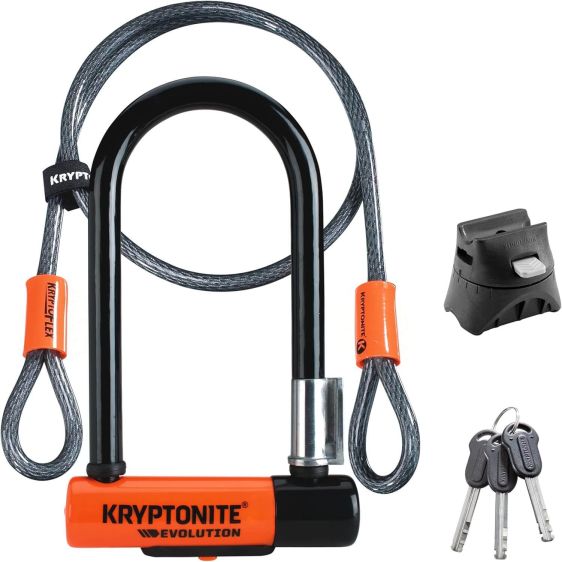
Best Overall Lock
Sold Secure Gold rated. 13mm hardened steel shackle resists angle grinders for 5+ minutes. Compact mini size prevents leverage attacks. Includes 4ft cable for wheels. KeySafe program (free key replacement). Anti-theft protection up to £1,500. This is the lock serious cyclists buy when bikes are worth £300+. Heavy at 1.75kg but worth every gram.
Price: £45-50
Kryptonite KryptoLok Series 2
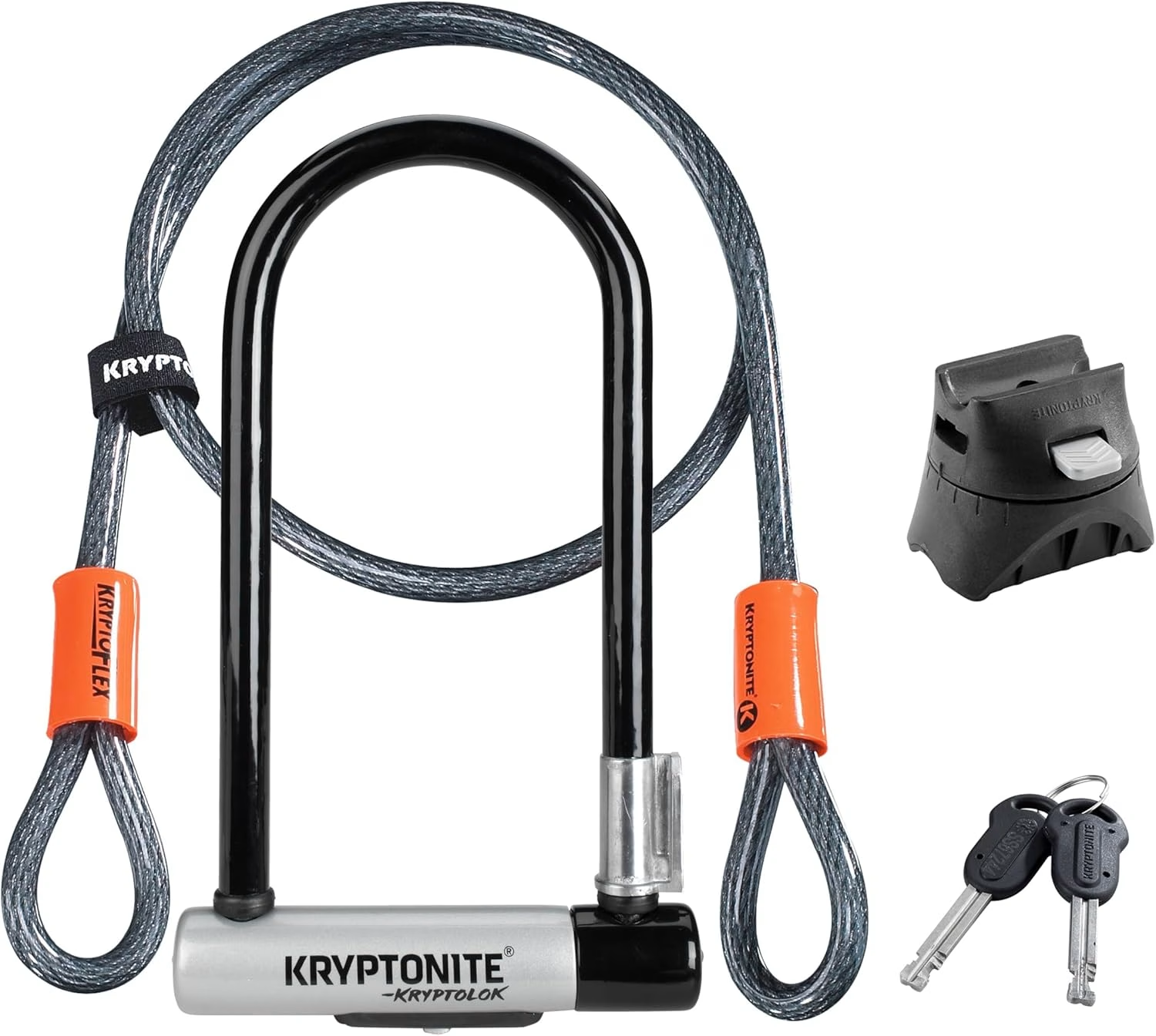
Best Mid-Range Value
Sold Secure Silver rated. 12.7mm hardened steel shackle. Includes 4ft KryptoFlex cable (saves £10-15). Larger shackle = easier locking than Mini-7. Double deadbolt prevents twist attacks. KeySafe program included. FlexFrame bracket that actually works. Perfect for UK commuters, moderate-risk areas, bikes £300-600.
Price: £35-45
OnGuard Brute STD
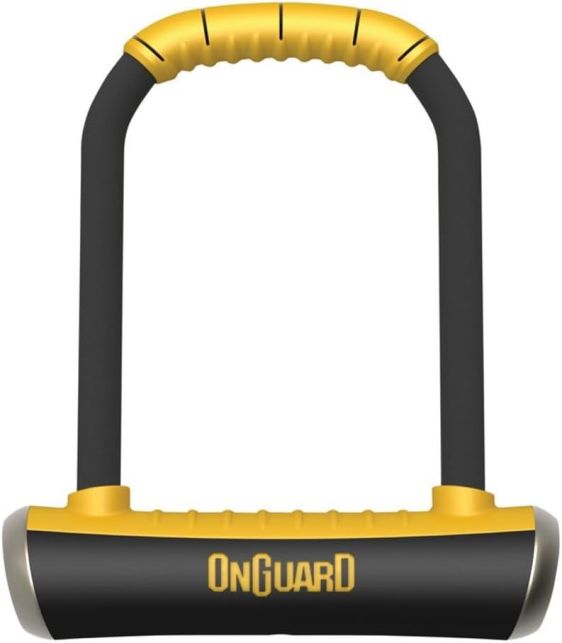
Best Budget Lock
Sold Secure Silver rated at half the price of Gold locks. 11mm hardened steel shackle deters opportunistic thieves. Larger shackle makes locking easier. Pick-resistant cylinder. Lighter at 1.36kg. Includes mounting bracket. The minimum we’d recommend for real protection – anything cheaper is false economy. Perfect for bikes £200-400, moderate-risk areas.
Price: £25-30
Pro Tips from 30 Years in the Trade:
Two locks better than one: Combine different types (D-lock + cable). Thieves carry tools for specific locks.
Lock position matters: Keyhole facing down prevents water/dirt. 15cm off ground prevents leverage.
Fill the shackle: Less empty space = less room for leverage tools.
Location critical: Busy, well-lit areas with CCTV. Never the same spot daily.
The 10% Rule Explained:
Your lock should cost roughly 10% of your bike’s value:
£200-400 bike → £20-40 lock
£400-800 bike → £40-80 lock
£800+ bike → £80+ lock
But even if your bike is £200, don’t drop below £25. The OnGuard Brute is the absolute minimum for genuine protection.
Best Folding Locks: Portability Meets Security
Folding locks offer unique advantages for UK cyclists who value portability without completely sacrificing security. Lighter than D-locks, more flexible than rigid shackles, they’re perfect for road cyclists and anyone who hates carrying heavy locks. These are the folding locks that actually work.
ABUS Bordo Lite 6055

Best Folding Lock
ABUS Level 7/15 security rating. Just 950g – significantly lighter than D-locks. 85cm length gives flexible locking options. 5mm steel bars with plasma-cut resistance. Special rivets deter attacks. Excellent ABUS anti-pick cylinder. Frame mount actually works well. Perfect for road cyclists, moderate-risk areas. Not for overnight city centre parking.
Price: £40-48
Oxford LinkLock CL

Budget Folding Option
Compact multi-link folding design. 720mm length (plenty for most locking). Eight 5mm hardened steel plates. Unique carry bracket (bolts or straps to frame). Anti-drill, anti-saw, anti-pick cylinder. Two keys + replacement service. British brand that understands UK conditions. Not Gold-rated but perfect for lower-risk areas.
Price: £25-30
Kryptonite Keeper 510

Kryptonite Folding Entry
Kryptonite’s folding lock option. 100cm folded length = good reach. 5mm hardened steel construction. Double deadbolt design. KeySafe replacement program. Lightweight bracket included. Security Rating 5/10 (entry-level). Good for quick stops, casual use, lower-value bikes. Not for expensive bikes or high-risk areas.
Price: £30-40
How to Choose the Right Bike Lock
1. Match Lock Value to Bike Value
The 10% Rule: Your lock should cost approximately 10% of your bike’s value.
- £200-400 bike → £20-40 lock
- £400-800 bike → £40-80 lock
- £800+ bike → £80+ lock (may need to go beyond this guide)
Why? Thieves target bikes that are easy to steal relative to their value. A £30 lock on a £1,000 bike screams “easy target.” But a £50 Gold-rated lock on a £300 bike? Thieves move to the next one.
2. Understand UK Security Ratings
Sold Secure Ratings (UK Standard):
Bronze: Basic deterrent only. Fine for very low-risk areas or quick stops where you can see your bike. Not recommended as primary lock.
Silver: Good for short stops in moderate-risk areas. Adequate for bikes under £500 in most UK towns. Deters opportunistic thieves but not determined professionals.
Gold: Maximum security for high-value bikes and high-risk areas. Designed to resist power tool attacks for several minutes. Essential for overnight parking in city centres.
Diamond: Highest rating, angle grinder resistant. Usually exceeds £50 budget.
What rating do you need?
- Suburban areas, daytime only: Silver minimum
- Town centres, train stations: Silver (Gold preferred)
- London, major cities, overnight: Gold only
- University campuses: Gold (bikes are prime targets)
3. Lock Types Explained
D-Locks (U-Locks):
- ✓ Most secure design available
- ✓ Hardened steel shackle resists cutting
- ✓ Compact = less leverage for thieves
- ✗ Heavy (1-2kg typically)
- ✗ Limited flexibility in positioning
- ✗ Can be difficult to lock frame + wheel
Best for: Maximum security, expensive bikes, high-theft areas
Chain Locks:
- ✓ Very flexible – wrap around anything
- ✓ Good length for securing multiple bikes
- ✓ Can secure frame + both wheels
- ✗ Heavy (often 2kg+)
- ✗ Links can be vulnerable to bolt cutters
- ✗ Bulky to carry
Best for: Home use, securing in garages, multiple bikes
Folding Locks:
- ✓ Lightweight and portable
- ✓ Compact when folded
- ✓ Decent security for the weight
- ✓ Good length (usually 75-90cm)
- ✗ More expensive per security level
- ✗ Hinges are potential weak points
- ✗ Not suitable for very high-risk areas
Best for: Road cyclists, weight-conscious riders, moderate-risk areas
Cable Locks:
- ✗ Easily cut with basic tools
- ✗ NOT recommended as primary lock
- ✓ OK as secondary lock for front wheel
- ✓ Lightweight
Best for: Secondary security only
The Truth: If you only buy one lock under £50, get a D-lock. They offer the best security-to-price ratio.
4. Size Matters More Than You Think
Mini D-Locks (like Kryptonite Evolution Mini-7):
- Pros: More secure (less room for leverage attacks)
- Cons: Harder to use – you need to lock strategically
- Best for: Locking frame + rear wheel only, around slim posts
Standard D-Locks:
- Pros: Easier to lock frame + wheel, more locking options
- Cons: More space for thieves to insert tools
- Best for: Versatility, securing to various objects
Longer Locks (chains, folding):
- Pros: Maximum flexibility, can secure both wheels
- Cons: Heavier, potentially less secure
- Best for: Home use, securing to larger objects
Pro Tip: Before buying, measure your bike frame and the posts/racks you typically lock to. A lock that doesn’t fit properly is useless.
5. Where You’ll Use It (Location Risk Assessment)
Low Risk (Sold Secure Silver adequate):
- Quiet suburban areas during daytime
- Quick stops at shops where you can see your bike
- Low-crime villages and towns
- Your garden or shed
Medium Risk (Silver minimum, Gold preferred):
- Town centres and high streets
- Train stations and bus stops
- Supermarket car parks
- Workplace bike parking
- Parks and leisure centres
High Risk (Gold rated essential):
- London and major city centres
- University campuses (prime theft targets)
- Anywhere overnight or for extended periods
- Train stations in cities
- Areas with no CCTV or foot traffic
Very High Risk (consider TWO locks):
- Known theft hotspots
- Expensive bikes (£800+) anywhere
- Overnight in cities
Reality Check: Even the best lock can be defeated given enough time. The goal is to make your bike harder to steal than the one next to it, and to take long enough that thieves give up.
How to Lock Your Bike Properly
Even the best £50 lock is useless if used incorrectly. After 30 years seeing stolen bikes, these are the locking mistakes that get bikes stolen – and how to avoid them.
The Golden Rules of Bike Locking
1. Lock to something immovable
- ✓ Fixed bike racks bolted to ground
- ✓ Thick metal posts cemented in
- ✓ Heavy railings attached to buildings
- ✗ NOT fences (easily cut)
- ✗ NOT removable posts
- ✗ NOT thin rails that can be cut
- ✗ NOT trees or wooden posts
2. Get the lock through your frame AND rear wheel minimum
The frame is your bike. Everything else can be replaced. Never lock just the wheel – thieves remove wheels in seconds and take the bike.
Ideal locking (with one D-lock):
- D-lock through rear triangle (frame section behind seat tube)
- Include rear wheel in the same D-lock
- This locks the most expensive parts together
With two locks (highly recommended for expensive bikes):
- D-lock: Frame + rear wheel
- Cable/chain: Front wheel + frame
3. Fill the shackle space
Less empty space = less room for thieves to insert crowbars, jacks, or leverage tools. Pack the D-lock tight around frame, wheel, and post.
4. Lock off the ground
Position your lock 15-30cm off the ground. Ground leverage attacks (smashing locks with hammers, using ground for leverage) are common. Height makes this much harder.
5. Keyhole faces down
Prevents rain/dirt entering the mechanism. A seized lock is useless when you need to leave. We’ve cut countless locks free because owners didn’t maintain them.
Common Locking Mistakes That Get Bikes Stolen
❌ Locking through wheel only – Thieves remove wheel, take bike
- ❌ Locking to easily cut objects – Thin rails, fences, removable posts
- ❌ Leaving massive shackle gaps – Room for leverage tools
- ❌ Same location every day – Thieves learn patterns and come prepared
- ❌ Locking in isolated areas – No witnesses = more time for thieves
- ❌ Quick-release components unsecured – Wheels, saddles stolen separately
- ❌ Not removing lights/computer – Easy targets for opportunistic theft
Best Locations to Lock Your Bike
Choose locations with:
- ✓ Good visibility and foot traffic (thieves avoid busy areas)
- ✓ CCTV coverage when possible
- ✓ Well-lit areas (crucial for evening)
- ✓ Proper bike racks (not street furniture)
- ✓ Near other bikes (safety in numbers, but ensure yours isn’t the easiest target)
Avoid:
- ✗ Quiet side streets or alleys
- ✗ Same spot every day (thieves learn patterns)
- ✗ Anywhere overnight if possible
- ✗ Areas with recent theft history
Additional Security Measures
- Register your bike: BikeRegister (free) – UK national database. If stolen and recovered, police can return it.
- Photos and serial numbers: Frame number, receipts, unique features. Essential for insurance claims.
- Insurance: Check home insurance covers bikes away from home. Specialist cycling insurance for expensive bikes. Most require Sold Secure rated locks.
- Remove accessories: Take lights, computers, bags with you. Even if bike stays safe, accessories get stolen.
- Locking skewers: Replace quick-release with security skewers. Requires special tool to remove wheels/seat.
- GPS trackers: Hidden trackers help recover stolen bikes. Not prevention, but improves recovery chances massively.
Reality Check on Lock Prices:
£45 Gold lock lasting 5 years = £9/year
£25 Silver lock wearing out in 2 years = £12.50/year
Premium locks are cheaper long-term AND protect more effectively. One stolen bike costs far more than the difference between Silver and Gold locks.
Avoid These Common Mistakes:
❌ Buying locks under £20 (false security)
❌ Locking only the wheel
❌ Same location daily
❌ Leaving bike overnight in city centres
❌ Not registering with BikeRegister
❌ Assuming any lock is 100% theft-proof
Frequently Asked Questions About Bike Locks
Final Verdict: Which Bike Lock Should You Buy?
After 30 years in the bike trade and countless conversations with UK cyclists about bike theft, here’s our honest assessment based on real-world experience.
For Maximum Security (Bikes £500+, High-Risk Areas)
Kryptonite Evolution Mini-7 (£45-50) remains the gold standard under £50. Sold Secure Gold rated, 13mm hardened steel shackle, proven to resist angle grinders for 5+ minutes.
If your bike is worth more than £300 or you lock in town centres, train stations, or cities, this is the lock to buy. Yes it’s heavy at 1.75kg. Yes the mini size requires strategic locking. But if your bike matters, this lock delivers.
The KeySafe program and anti-theft protection make it even better value long-term.
For Best Overall Value (Most UK Cyclists)
Kryptonite KryptoLok Series 2 (£35-45) delivers the sweet spot of security and value. Sold Secure Silver rated with included 4ft cable (saves £10-15 on separate purchase).
Larger shackle makes locking easier than the Mini-7. Perfect for commuters, moderate-risk areas, bikes £300-600. This is what we recommend to most customers who ask.
Double deadbolt, KeySafe program, and Kryptonite’s excellent customer service make it reliable long-term.
For Budget-Conscious Riders
OnGuard Brute STD (£25-30) is the minimum we’d recommend for genuine protection. Sold Secure Silver at half the price of Gold locks.
Fine for moderate-risk daytime use, bikes under £400. Won’t handle power tool attacks but deters opportunistic thieves effectively.
This is the absolute floor for real security – anything cheaper is false economy.
For Portability-Focused Cyclists
ABUS Bordo Lite 6055 (£40-48) is the best folding lock for weight-conscious riders. Just 950g, 85cm length, decent ABUS security.
Perfect for road cyclists, sportive riders, anyone who can’t carry 1.75kg D-locks. Not for overnight city centre parking, but excellent for daytime moderate-risk use.
The frame mount actually works well – a rarity in folding locks.
Don’t Wait Until It’s Too Late
January 2026 means dark evenings and peak theft season. Bike theft spikes in winter when it’s easier for thieves to work unnoticed.
Every day you delay buying a proper lock is another day your bike is vulnerable.
Remember the 10% Rule
Your lock should cost roughly 10% of your bike’s value:
- £200-400 bike → £20-40 lock
- £400-800 bike → £40-80 lock
- £800+ bike → £80+ lock
A £40 lock protecting a £500 bike isn’t an expense – it’s insurance. Compare that to the cost and hassle of replacing a stolen bike.
One Final Tip
Whichever lock you choose, use it correctly every single time:
- Lock your frame (not just the wheel)
- Fill the shackle space
- Secure to something immovable
- Position 15cm off ground
- Keyhole facing down
Even the best £50 lock is useless if used incorrectly. We’ve seen too many stolen bikes where the lock was perfect but the locking technique was terrible.
Have questions about bike security? Get in touch. We’re here to help keep UK cyclists safe on the road.
Related Articles & News!
Check back soon, nothing related right now!