
Electric Bike Battery Care UK 2026: 5 Rules to Make It Last 5 Years
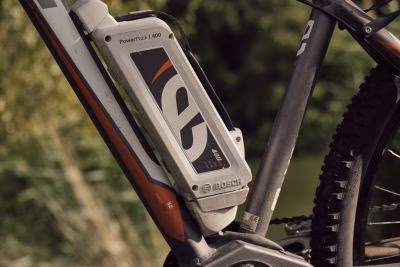
Your e-bike battery is the most expensive part on the bike – £400 to £800 to replace. I test 3 to 4 a week in the Bournemouth workshop that have lost 20% range in 18 months from the same avoidable mistakes. Electric bike battery care is not complicated, it is just consistent.
After 30 years in the trade, the pattern is clear: batteries that are stored flat in a freezing garage, or left on charge for weeks fully charged, come back in spring with less range and sometimes a battery that will not wake up. This guide covers electric bike battery care for Bosch, Shimano STEPS, Yamaha, Brose, Mahle and generic hub systems – the habits that add years, the myths that waste money, and the winter routine that saves you a £400 bill.
Reader-supported: we may earn a commission if you buy via our links, at no extra cost to you. Good electric bike battery care is the cheapest insurance against that £400 replacement.
At a Glance
On this page
New to e-bikes? Start with our best electric bikes under £1,500 – every pick is EAPC-compliant and serviceable in the UK.
£400–£800
Replacement cost
500–1,000
Full cycles to 60%
15–20°C
Ideal charge & store
30–60%
Winter storage target
Electric Bike Battery Care: Why Batteries Lose 20% in 18 Months
The fastest way to shorten an e-bike battery's life is to treat it like a phone – always 100% or always flat. Lithium-ion cells are happiest between about 20% and 80%. Sitting weeks fully charged, or weeks flat, puts the cells under stress. Heat and cold multiply the effect. That is why the workshop sees the same failure in March: a battery left full in a shed over winter, or left flat and not checked, now half its range.
What the numbers say
- Bosch rates PowerTube 400/500/625Wh at 60% remaining after 500 full cycles or 24 months, and longer in lab tests when stored at 30–60%. Shimano cites up to 1,000 cycles to 60% with good habits – 7 to 10 years for average UK mileage.
- Converting 240V to 36V loses ~10% as heat – the charger warms, the battery warms. Let it cool before charging.
- A tyre at half pressure can cut range up to 40% – people blame the battery when it is under-inflation or a rubbing brake.
Electric Bike Battery Care: 5 Rules That Double Lifespan
These five habits work for Bosch, Shimano, Yamaha, Brose, Mahle and most hub batteries. They take seconds, they cost nothing, and they consistently add years in our workshop data – simple electric bike battery care that pays for itself.
1. Charge at the right temperature, on the right surface
Charge indoors, 10–20°C, on a hard flat surface with ventilation. Not on a combustible surface, not covered, not in a cupboard. If the battery is hot after a ride, let it cool an hour. If it is cold from outside, let it warm to room temp. Use the correct manufacturer charger – Bosch charges Bosch, Shimano charges Shimano. Cheap replacements cause faults.
2. Keep everyday use between 20% and 80%
Partial charges are fine – you do not need to drain to zero. For daily commuting, keep 20–80% and charge little and often. If you need full range for a long ride, charge to 100% the night before, ride, then don't leave it sitting at 100% for weeks afterwards.
3. Store 30–60% when not riding for weeks
Bosch advises 30–60% (2–3 LEDs), Shimano says around 70%. Around 60% is the safe middle. Remove the battery from the bike if you store the bike in a shed or garage, bring it indoors at 15–20°C, dry, away from heat and sun. Check every 4–6 weeks – if it drops to 1 LED, top to 3 LEDs. Don't leave it on the charger in storage.
4. Keep it clean and dry, don't jetwash
Remove the battery before cleaning if the brand advises (Bosch yes, Shimano says leave in to protect terminals – either way, don't blast). Sponge and low-pressure hose upright, dry before powering on. Lightly grease plug poles with technical Vaseline occasionally. Dry the mount contacts after wet rides to avoid corrosion.
5. Ride and maintain the whole bike
Range isn't just battery. Keep tyres at correct pressure, brakes not rubbing, chain clean. Ride at efficient cadence – Bosch suggests above 50 rpm – and use lower assist where you can. A well-maintained bike is less load on the battery. Have the battery health checked by a dealer that specialises in your motor – Bosch eBike Systems dealers can read capacity properly.
Storage and charging at a glance
| System | Ideal store | Charge temp | Warranty | Note |
|---|---|---|---|---|
| Bosch PowerTube | 30–60% | 0–40°C (10–20°C best) | 2yr / 500 cycles to 60% | Remove when transporting on rack |
| Shimano STEPS | ~70% | 10–20°C | 2yr to 60% after 1,000 cycles | Leave in frame to protect terminals when washing |
| Generic hub | 40–60% | 10–20°C | Varies | Use correct charger only |
Workshop take
The battery that comes in cold and flat after a winter ride is not always faulty – it is cold. Warm it indoors before charging, and fit it just before you ride. On sub-zero days, expect up to 30% less range even when healthy. A neoprene cover helps keep heat in.
Timing tip
Check the stored battery monthly from October to March. Top from 1 LED to 3 LEDs. For riders in Bournemouth's mild but damp winter, indoor storage matters more than cold – keep it dry and off the concrete floor.
Winter Storage and Transport: The Week That Costs You £400
Most expensive mistakes happen in one week in November. Bike goes into shed, battery left at 100% or 0%, not checked until March. The battery wakes with reduced capacity and the rider pays for a replacement. The fix is boring but cheap, and it is the heart of good electric bike battery care through winter.
Before storing: clean with a damp sponge, remove the battery, store indoors 15–20°C at 60% (3 LEDs). Check monthly. Before riding: charge to 100%, let it settle, then ride. Transporting: remove the battery on a rear rack and stow it in the car under the seat wrapped in a towel – at 70mph, rain hits the bike at ~140mph on the rack, stronger than a jetwash. Don't leave it on the parcel shelf.
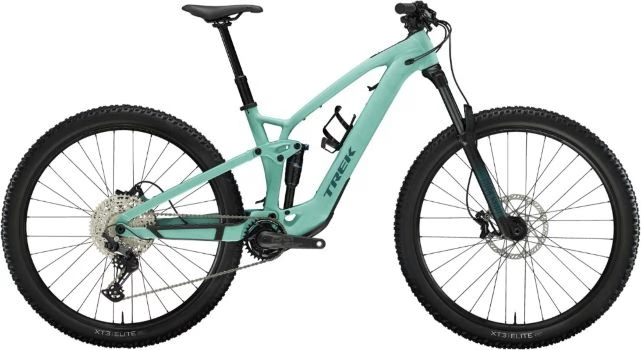
Store the bike in the shed, the battery indoors at 60% — not left on the bike all winter.
When to Keep Riding and When to Replace
Gradual range loss is normal. Sudden cut-outs under load, charge that stops at 80%, or error codes on the display are not. Don't chase a swelling, hot or cracked case – stop using it, tape contacts, store outside dry and have it recycled via your dealer (Valpak compliance in the UK). Never open a battery – cells must be matched or you risk short and void warranty.
Quick checks before you blame the battery: tyres at correct pressure, brakes not dragging, chain clean, software up to date, charger not damaged. A dealer check with Bosch or Shimano diagnostics can tell you if it is battery, charger, contacts or motor drag. Replacement costs £350–£800 – official replacements only, from approved retailers, matched to your system.
Electric Bike Battery Care FAQ
Choosing your next e-bike?
Our best electric bikes under £1,500 guide compares Bosch and Shimano mid-drives against best-value hub motors – with real range, weight and price, and every pick serviceable in the UK.
More from the hub
Bike Repairs Direct – Bournemouth workshop. We write buying guides after fitting kit, seeing what fails, and riding it ourselves on Dorset lanes. The Electric Bikes hub is affiliate-funded – we may earn a commission, at no extra cost to you.
Related Articles & News!
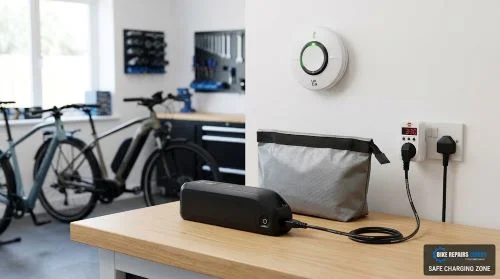
E-bike battery fire safety: 150 lithium fires and five deaths in Merseyside alone. The charging rules that work, what to buy, and why you cannot put it out.
DJI Avinox vs Bosch vs Shimano vs Yamaha vs Brose compared: 150Nm Avinox tested vs workshop. Torque, noise, diagnostics & costs
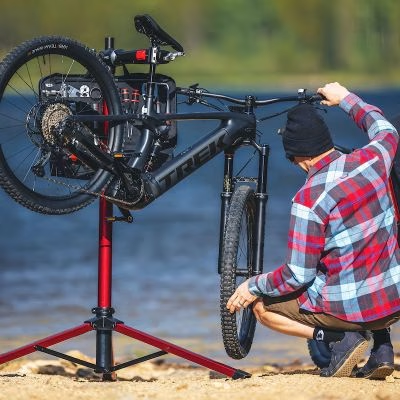
Tested for 30-45kg e-bikes — the best bike stands for heavy e-bikes UK 2026. Park Tool, Feedback Sports & budget picks that hold a loaded e-bike steady.

Hot Deal Trek Fuel EXe 5 2025 Full Suspension Mountain Bike Deal – lightweight trail e-MTB with smooth TQ motor and confident suspension.
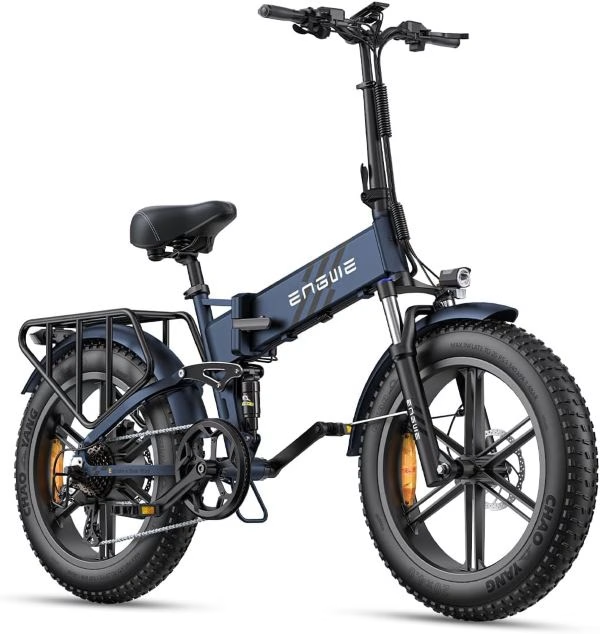
The best electric bikes UK 2026 under 1,500 pounds, workshop tested: Carrera, Raleigh and Decathlon picks, with Cycle to Work advice.
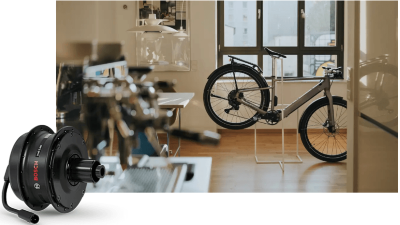
Bosch Hub Line UK: 45Nm rear hub, 2.3kg, 400W peak — how Bosch’s first hub motor compares to mid-drive and Mahle X20. Workshop guide.

e-bike positive trust mark uk 2026: 33 brands, 600 shops audited. How to spot a 250W 15.5mph legal EAPC, battery safety checks and where to buy.

Amflow Electric Bikes UK 2026 - cheapest to most powerful compared. PR, PX, PL and TL prices, specs and where to buy Amflow in the UK.